

The Ultimate Homeowner's Guide to Cleaning and Protecting Your Granite Countertop
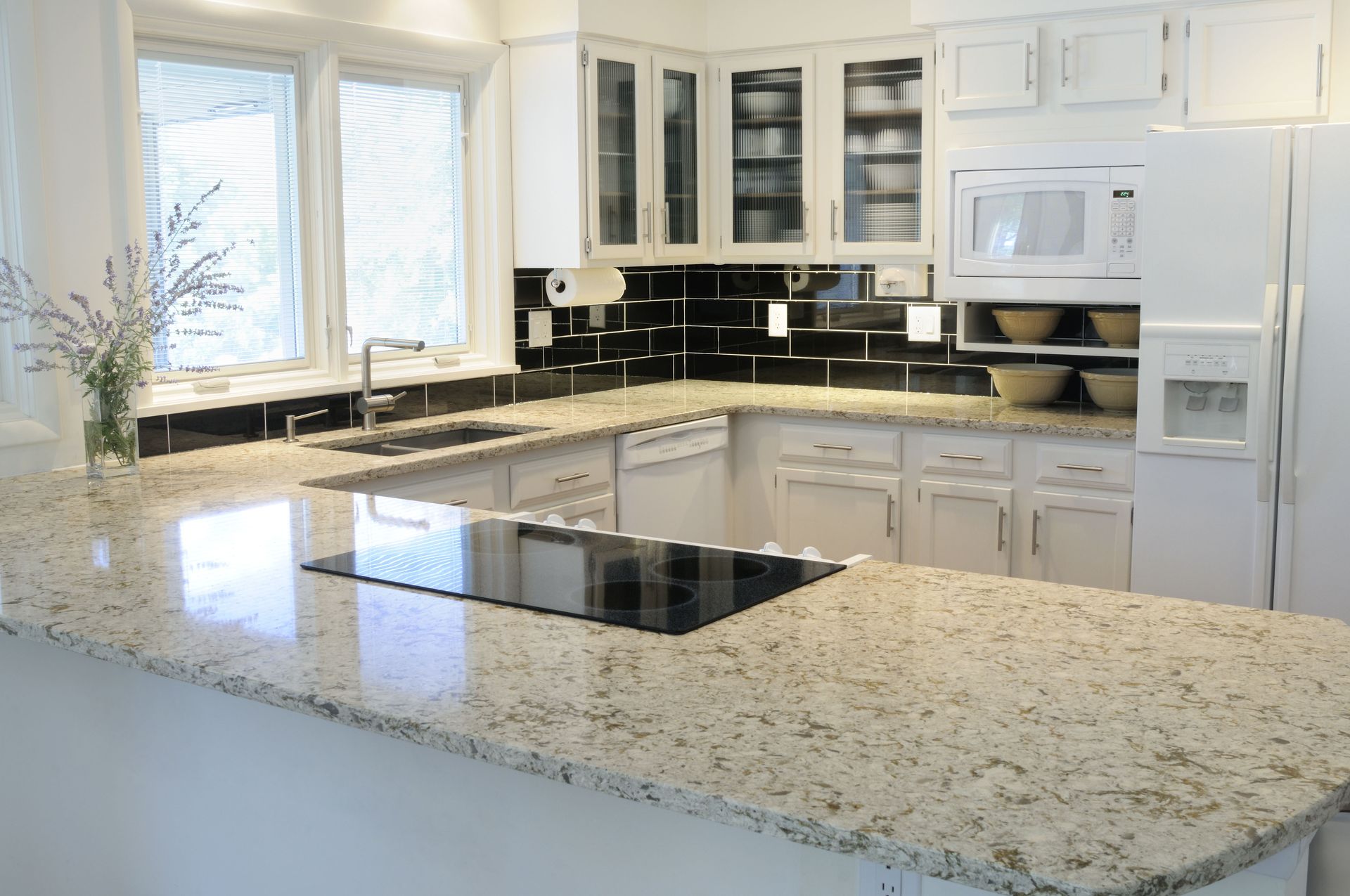
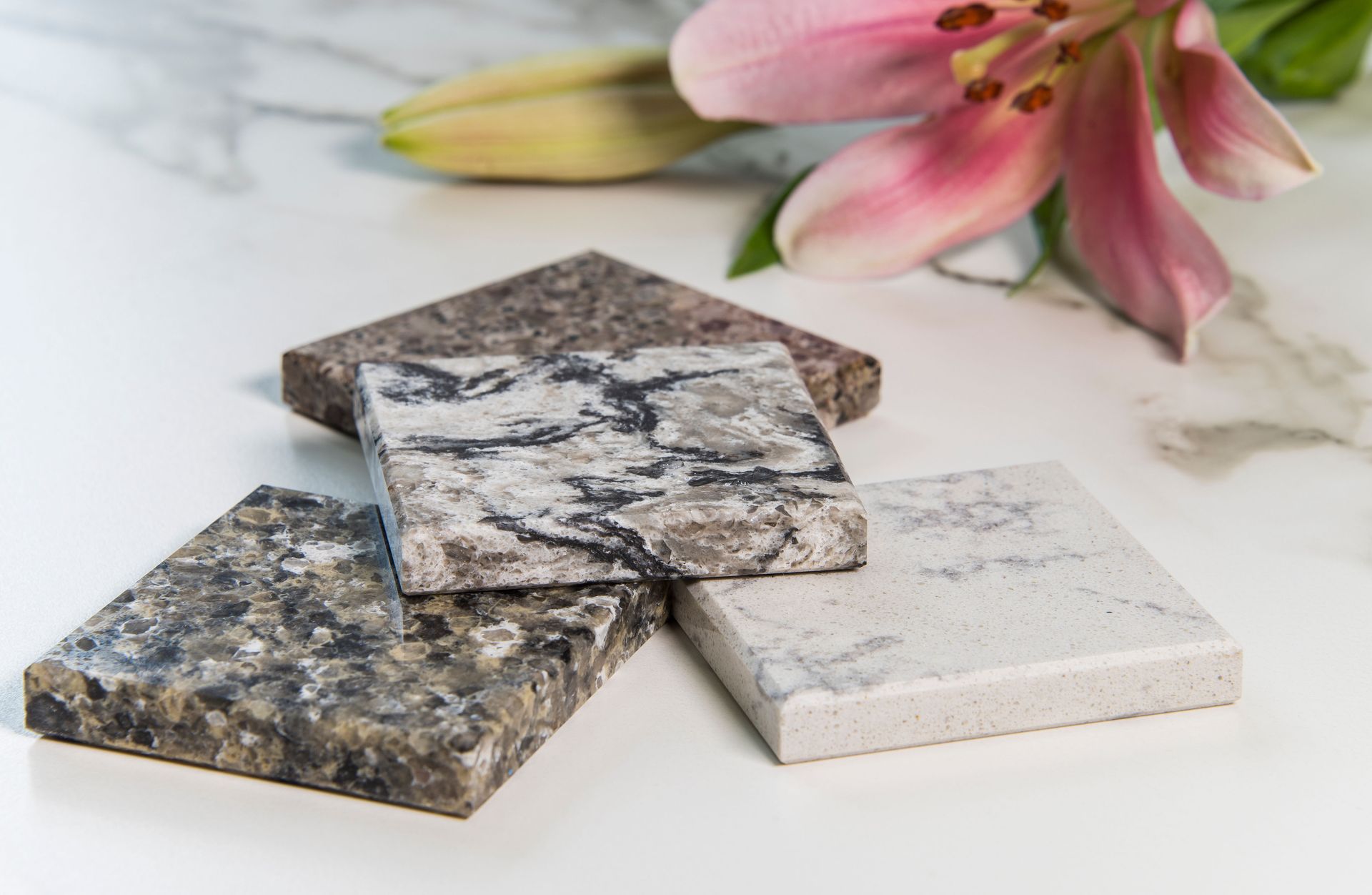
Stepping into a kitchen anchored by polished natural stone brings a sensation of geological grandeur and luxury. Formed deep within subterranean tectonic chambers across countless millennia, natural stone slabs display intricate crystalline mosaics, reflective quartz deposits, and sweeping mineral veins that no synthetic manufacturing process can replicate. Beyond serving as a striking visual centerpiece, igneous rock delivers exceptional structural density, knife resistance, and thermal tolerance to active household environments. However, because natural stone remains an organic geological product featuring microscopic capillary channels, maintaining its pristine luster requires informed domestic stewardship. Far too often, well-meaning property owners inadvertently dull gleaming surfaces, dissolve factory sealants, or introduce stubborn stains by employing harsh supermarket chemical cleaners formulated for synthetic laminates. The extraordinary structural resilience of igneous rock underscores why dedicated preventative maintenance is so rewarding; indeed, according to Food Republic, with proper care and maintenance, granite countertops can last for 100 years or more. This exceptional operational longevity proves that natural stone surfaces represent an enduring, multi-generational investment in residential equity rather than a temporary decorative fashion. Sourcing proper restorative guidance ensures that delicate crystalline structures remain unblemished by daily domestic food preparation routines. Understanding proper cleaning chemistry, preventative sealing regimens, and stain remediation protocols empowers homeowners to preserve their stone investments flawlessly. Prioritizing master stone stewardship protects residential capital, preserves reflective beauty, and guarantees lasting peace of mind.
Understanding Geological Porosity and Surface Vulnerabilities
Mastering the daily care of natural stone begins with appreciating the inherent geological characteristics that distinguish igneous rock from artificial solid surfaces. Unlike engineered quartz bound in synthetic resins, igneous stone features microscopic pores and fissures formed during volcanic cooling processes. While dense varieties absorb fluids at modest rates, lighter stone varieties contain extensive capillary networks that drink in liquids rapidly if surface sealants erode. When cooking oils, wine splashes, or citrus juices sit unaddressed on unprotected surfaces, capillary action pulls pigments deep into the stone matrix. Furthermore, igneous stone contains delicate feldspar and mica minerals that react sensitively to acidic chemicals. Understanding how moisture penetrates raw stone clarifies why treating a granite countertop with casual indifference invites deep subterranean staining. Establishing a proactive cleaning regimen safeguards microscopic pores, halts contaminant migration, and maintains pristine factory clarity across your kitchen work surfaces.
Mastering Daily Cleaning Routines and Choosing Neutral Surfactants
The cornerstone of long-term stone preservation rests on executing gentle, consistent daily sanitation while avoiding corrosive chemical agents that degrade protective barriers. Many popular cleaners—such as citrus sprays, ammonia formulas, bleach solutions, and scrubbing powders—strip protective sealers, etching minerals and leaving surfaces feeling chalky and dull. For routine daily hygiene, property owners need nothing more than warm tap water, a soft microfiber cloth, and a few drops of neutral-pH dish soap. Wiping surfaces gently with microfiber towels lifts crumbs and culinary grease without scratching polished crystalline facets. Maintaining a granite countertop in pristine condition also benefits from utilizing stone-specific cleaning sprays formulated with neutral surfactants. These specialized solutions dissolve cooking oils without stripping underlying sealers, leaving a streak-free finish that repels fingerprint smudges. Rinsing surfaces thoroughly with clean damp microfiber cloths removes residual soap scum, ensuring that mineral faces remain sparkling clean and ready for food preparation.
Eliminating Stubborn Organic Stains With Absorbent Poultice Formulations
Despite vigilant kitchen habits, accidental oil spills, dark wine puddles, or forgotten tomato sauce rings can occasionally penetrate sealed surfaces, creating stubborn dark blemishes that defy standard surface wiping. When liquid pigments migrate below the polished surface into subterranean stone pores, spraying liquid cleaners only drives contaminants deeper into capillary networks. The proper scientific method for extracting subterranean stains involves deploying an absorbent chemical poultice that draws trapped pigments upward through reverse capillary action. Treating an affected natural stone surface requires blending an absorbent powdered medium—such as diatomaceous earth, baking soda, or talc—with a targeted chemical solvent matching the specific stain chemistry. For cooking oil stains, mixing baking soda with acetone creates a thick paste with the consistency of peanut butter. Spreading this poultice over the stain, covering it with plastic wrap, and letting it dry draws oil molecules upward into the powder. Removing the dried poultice restores uniform coloration, banishing stubborn shadows without scratching delicate stone surfaces.
Applying Impregnating Sealers and Verifying Water Bead Absorption
While surface cleaning maintains exterior hygiene, applying high-performance impregnating sealers establishes an indispensable subterranean defense against moisture penetration. Unlike topical varnishes that coat stone faces, penetrating sealers utilize fluoropolymer molecules that sink deep into microscopic capillaries, coating internal pore walls without blocking natural breathability. Homeowners can easily test their current sealer effectiveness by performing a simple water bead evaluation. Splashing drops of tap water across high-traffic prep areas reveals whether moisture beads tightly into spherical droplets or begins soaking into the stone to create dark, damp patches. When water beads flatten or darken stone within minutes, scheduling sealant application for your granite countertop becomes urgent. Applying penetrating sealers involves wiping liquid sealer across clean stone, allowing it to penetrate internal pores before buffing off excess residue with microfiber towels. Re-applying impregnating sealers periodically ensures microscopic pores reject moisture, preventing wine, oil, and coffee spills from settling into permanent stains.
Defending Polished Stone Against Thermal Shock and Mechanical Scratches
Natural stone boasts incredible physical toughness; however, treating stone as indestructible invites preventable mechanical damage, micro-pitting, and thermal fractures. While igneous rock forms under volcanic temperatures, sudden thermal shock caused by placing blistering skillets onto cold stone can crack crystalline bonds or burn sealants. Utilizing cork trivets and silicone hot pads creates a thermal buffer that shields stone from localized thermal expansion. Furthermore, although quartz minerals within igneous rock resist metal cutlery, cutting raw meats and vegetables directly upon a granite countertop dulls fine kitchen knife edges while risking microscopic scratches across softer mica minerals. Dragging heavy ceramic crockpots, rough mixing bowls, or unglazed ceramic mugs across polished stone can leave abrasive scuff tracks that require diamond polishing to erase. Utilizing cutting boards, applying adhesive felt bumpers beneath countertop appliances, and lifting rather than sliding heavy cookware preserves pristine surface luster, preventing accidental chips along mitered edge profiles.
Investing time into thoughtful, disciplined stone care represents an essential commitment to residential elegance, culinary functionality, and long-term property wealth. Natural stone surfaces are far more than passive kitchen counters; they function as living geological works of art that anchor family gatherings, culinary creations, and cherished household memories. By understanding subterranean stone porosity, mastering neutral daily cleaning routines, applying absorbent poultices to extract stubborn stains, maintaining robust impregnating sealers, and utilizing protective trivets, property owners preserve the breathtaking beauty of natural rock. Bypassing harsh supermarket chemicals in favor of stone-safe maintenance protocols prevents premature surface etching and keeps microscopic pores defended against moisture penetration. Dedicated stone stewardship transforms an impressive architectural feature into a timeless family heirloom that endures decades of active domestic use. Prioritizing master stone craftsmanship safeguards personal financial investments, preserves natural mineral beauty, and guarantees lasting peace of mind across every season.
At Chattanooga Granite & Marble, our dedicated team brings deep stone fabrication expertise, state-of-the-art precision restoration technology, and an unwavering commitment to craftsmanship on every natural slab we install and service, ensuring your kitchen achieves maximum surface durability, unyielding stain resistance, and aesthetic grandeur across every culinary creation. Contact us today or visit our local showroom to schedule your comprehensive stone evaluation and discover the lasting benefits of working with trusted natural stone professionals.
Share On: